Vocabulary Workshop Level H Unit 1-3 Review Answers
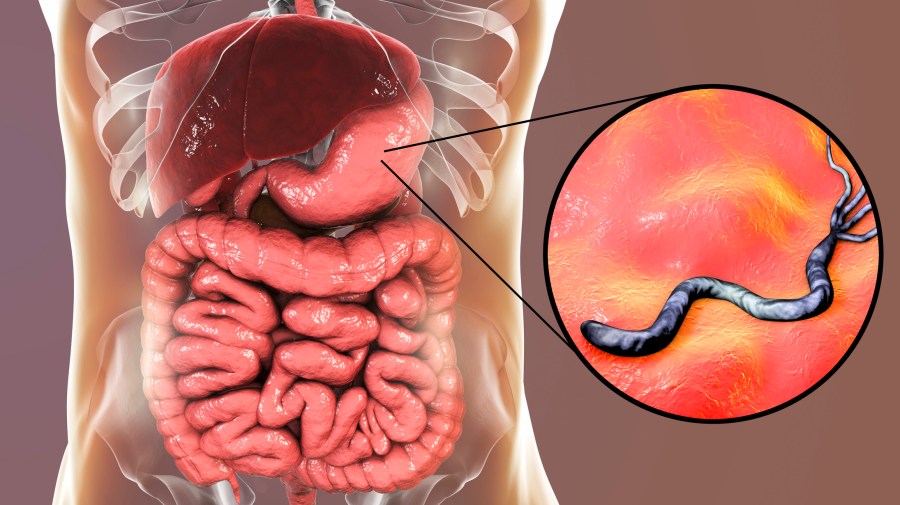
The human body is made up of several critical systems — i of which is the digestive system — that are essential to our health. When the digestive organization isn't working properly, the consequences can become uncomfortable and painful very quickly. In some cases, digestive issues become far beyond discomfort and atomic number 82 to dangerous health atmospheric condition.
Leaner similar Helicobacter pylori (H. pylori) are frequently backside gastrointestinal conditions, such as peptic ulcers and even stomach cancer. H. pylori infects the stomach and is peculiarly dangerous because almost people don't realize they have the bacterial infection until they develop painful symptoms. On the positive side, information technology's possible to treat the infection, even years subsequently it starts, but to practice so, you demand to recognize the potential symptoms of H. pylori.
Causes of H. Pylori
H. pylori infections often offset at a young age, just the typical mode of infection hasn't been officially proven. Most medical experts believe the bacteria spreads from kissing and other shut person-to-person contact or from consuming contaminated food or water. The bacteria are widespread, with large numbers of people all over the globe infected with strains. Approximately 50% of people coming to the U.S. from developing Latin countries and Eastern European countries are infected, for example.

The H. pylori bacteria doesn't discriminate, but those living in certain conditions are more likely to be exposed. People who live with many other people are more likely to contract it, especially if they live in close quarters. Those in developing countries are also more susceptible, especially if consistent access to clean running water is a problem. Additionally, anyone living with or having close contact with someone else who is infected is almost sure to become infected.
Symptoms of H. Pylori
Some people appear to be naturally resistant to H. pylori and never experience any symptoms or don't experience them for many years. This makes it about impossible to treat H. pylori early before some harm has been done to the stomach and intestines. In virtually cases, the starting time indicators of H. pylori infections appear when people beginning to experience the early symptoms of ulcers or gastritis.

Gastritis causes redness and swelling in the stomach lining, and ulcers crusade actual sores, bleeding and eventually holes in the lining. The milder symptoms of ulcers include bloating, burping, nausea, vomiting, loss of appetite and weight loss. As the ulcers worsen, the symptoms escalate to include anemia and ongoing wearisome pain in the breadbasket, especially several hours after eating or when the stomach is empty. Eating or taking antacids typically alleviates the pain for a short time.
Diagnosis of H. Pylori
When patients are diagnosed with ulcers or gastritis, doctors will try to decide the crusade, and that includes testing for H. pylori leaner. Stool sample testing provides information about many different types of bacteria in the intestinal tract, while stool antigen testing looks specifically for the H. pylori bacteria. Certain blood tests can also detect H. pylori antibodies in the blood.
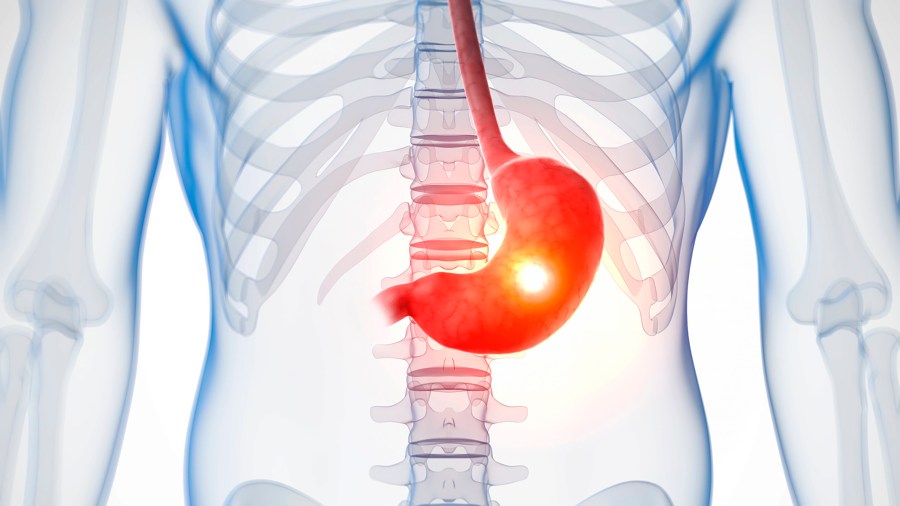
The H. pylori bacteria makes an enzyme known as urease. This enzyme reduces the acidity of stomach acid and weakens the tummy lining, making it easier for ulcers to develop. Breath tests tin look for carbon in the breath, which indicates the presence of urease. In more than extreme cases, doctors may perform an upper endoscopy, which involves running a tube with a small camera down the esophagus and into the stomach and upper intestine (duodenum). This allows them to take tissue samples also as examine potential harm.
Treatment of H. Pylori
Fortunately, H. pylori can be treated at any stage, although the form of treatment varies based on the severity of the condition, the patient'south age and the exact symptoms. It's common to accept multiple medications to ensure the infection is eliminated. Two unlike antibiotics taken simultaneously can help preclude antibiotic resistance in the bacteria, while acid-reducing medications give the stomach lining a run a risk to heal.

Mutual acrid reducers include histamine (H-2) blockers, proton pump inhibitors and stomach lining protectors. The most common stomach lining protector is Pepto-Bismol, a bismuth subsalicylate, which coats the stomach lining to protect it from acrid. H-2 blockers preclude the product of histamine, a substance that helps the stomach make acid. Proton pump inhibitors really stop the stomach'due south acid pump from working, which inhibits the production of acid.
Complications of H. Pylori
Gastritis and peptic ulcers are the most common weather condition caused by H. pylori leaner, although not anybody infected with the bacteria will go ill. Also pain and other uncomfortable symptoms, ulcers can cause bleeding and holes in the lining of the stomach. Depending on the position of the ulcer, it could also crusade breadbasket blockages. In the worst cases, these bacterial infections can crusade gastric cancer, which is the second leading cause of cancer deaths in the world.

Source: https://www.reference.com/world-view/symptoms-h-pylori-2abba589d8032674?utm_content=params%3Ao%3D740005%26ad%3DdirN%26qo%3DserpIndex
0 Response to "Vocabulary Workshop Level H Unit 1-3 Review Answers"
Post a Comment